All Categories
Featured

Modern Irrigation Installation Practices for New Developments
Table of Contents
Water preservation is an important element of developing and maintaining sustainable landscapes, particularly in regions prone to drought or where water resources are limited. Sustainable landscaping practices not only conserve water however also lower upkeep, promote biodiversity, and create resilient communities. A landscaping technique developed to reduce water usage by choosing drought-tolerant plants, reducing lawn areas, and carrying out efficient irrigation practices.
Group plants with comparable water needs together (hydrozoning). Incorporate hardscaping aspects like outdoor patios, sidewalks, and stone features to minimize water needs.
Commercial Controller ProgrammingThese gadgets adjust watering schedules based on weather conditions, soil wetness levels, and plant requirements, enhancing water usage. Water throughout the early morning or late night when temperature levels are cooler to decrease evaporation.
They minimize disintegration and enhance water quality. Mulch helps retain soil wetness, lower evaporation, reduce weeds, and improve soil health as it breaks down.
Optimizing Advanced Control Tech for Commercial Sustainability
Adding natural matter, such as garden compost, leaf mold, or well-rotted manure, boosts soil health and its ability to maintain wetness, lowering the requirement for frequent watering. These options require less water, fertilizer, and upkeep.
Native plants usually require less water, fertilizer, and pesticides than non-native types. Select plants known for their ability to prosper in low-water conditions, such as succulents, lavender, and decorative grasses. Greywater is the relatively clean wastewater from baths, sinks, washing devices, and other kitchen area home appliances. It can be reused for watering functions, minimizing the need for fresh water.

Ensure that just naturally degradable, non-toxic soaps and cleaning agents are utilized to prevent hurting plants. Group plants with similar water requirements together to optimize irrigation effectiveness. Location high-water-use plants in locations where water naturally accumulates, such as low areas in the garden, and drought-tolerant plants in drier areas. Style the landscape to follow the natural shapes of the land, which helps slow down water overflow, enabling it to soak into the soil and reach plant roots.
These products allow water to infiltrate the ground, lowering runoff and charging groundwater. Plant trees and shrubs to create shade and windbreaks, which lower water evaporation from soil and plants. Shade likewise cools the surrounding environment, lowering water needs. Select plants that prosper in the regional environment's natural precipitation patterns.
Examine irrigation systems routinely for leaks or inadequacies. Adjust irrigation schedules based on seasonal modifications and rainfall. Regularly eliminate weeds that take on plants for water and nutrients. Mulching helps suppress weed development. Prune plants to remove dead or diseased wood and to maintain plant health. Correct pruning can lower water need by minimizing plant tension.
The Proven Guide to Commercial Irrigation Upkeep
Prevent over-fertilizing, as it can increase water requirements and trigger nutrient runoff. Utilize integrated pest management (IPM) strategies, such as encouraging helpful insects and utilizing natural insect control methods, to lower the need for chemical pesticides that can harm soil and water quality. Reduces water intake, lowers water costs, and reduces the pressure on regional water resources.
Commercial Controller ProgrammingSustainable landscapes are more resistant to dry spell, severe weather, and climate change, making sure long-lasting success. Develops lovely, low-maintenance landscapes that are harmonious with the regional environment. By embracing water preservation techniques and sustainable landscaping practices, you can produce a garden or landscape that is not only eco-friendly however also beautiful, efficient, and simpler to preserve.
Embracing landscaping water conservation methods like xeriscaping, drip watering, rainwater harvesting, and utilizing native plants assists address water deficiency and boosts sustainability. Find and fix all leakages in irrigation systems. Use effectively dealt with wastewater for irrigation where readily available. Water the lawn or garden throughout the coolest part of the day (morning is best).
Water trees and shrubs with deep root systems less often, but with larger quantities of water. Shallow-rooted plants, on the other hand, require smaller amounts of water more frequently. Set sprinklers to water the lawn or garden just not the street or pathway. Usage soaker pipes and drip watering systems.

Latest Posts
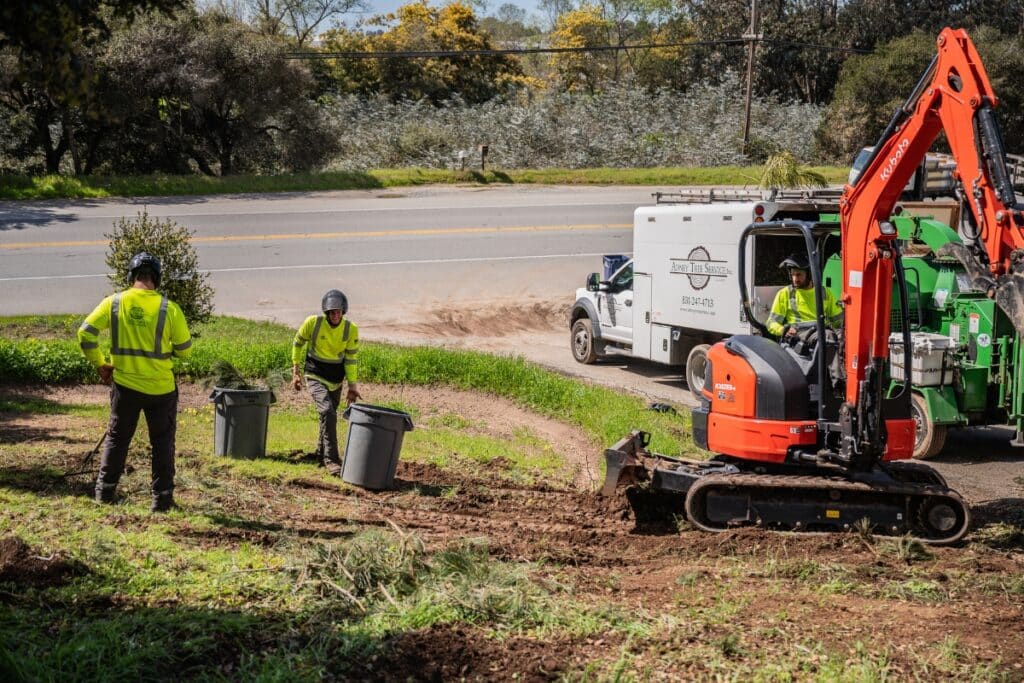
How Smart Irrigation Protects Commercial Trees

Optimizing Urban Tree Health for Safety

How Modern Irrigation Repairs Save Property Resources